

Print the note cards and study month 4.
–Read the following chapters from STOW (Please read them in this order):
GREECE:
STOW, Book 1: Chapters 18-20, 22-24
PERSIA:
Ch. 21, 25
ROME:
Ch. 27, 28, 29, 34, 35, 36, 40, 41, 42
In these chapters you will encounter some greek/roman myths sprinkled throughout — if you are familiar with the mythology from taking Melissa’s class then feel free to just skim the reading and reaquaint yourself. If you did not take Melissa’s class please read them so we can all be on the same page 😀
As you finish each chapter make a blurb, doodle some notes or write up some bullet points — any creative way you want to keep the highlights from the chapter in your commonplace book. I might ask to see your notes on Thursday, hint hint.

ADD the following dates to your timeline, PLEASE remember, you can choose if the event/person/invention etc. should go on the lefthand page or the righthand page! I’m not going to spell it out for you, decide where you think it fits best on the timeline you are using 🙂
ANCIENT GREECE
Early Greece
- c. 2000 BC – Greek-speaking peoples settle in Greece
- c. 1600–1100 BC – Mycenaean civilization (Age of Heroes, Trojan War era)
- c. 1200 BC – Traditional date of the Trojan War
- c. 800 BC – Greek alphabet developed; oral epics written down
- c. 750 BC – Homer writes The Iliad and The Odyssey
Classical Greece
- 776 BC – First Olympic Games
- c. 700–600 BC – Greek city-states (polis) develop
- 508 BC – Democracy established in Athens
- 490 BC – Battle of Marathon (Greeks defeat Persia)
- 431–404 BC – Peloponnesian War (Athens vs. Sparta)
Greek Thinkers & Culture
- c. 460–370 BC – Hippocrates (medicine)
- 469–399 BC – Socrates
- 427–347 BC – Plato
- 384–322 BC – Aristotle
ANCIENT PERSIA/Alexander the Great
Persian Empire
- c. 550 BC – Cyrus the Great founds Persian Empire
- 336 BC – Alexander becomes king of Macedon
- 330 BC – Fall of Persian Empire
ANCIENT ROME
- 753 BC – Founding of Rome (traditional date)
- 100 BC – Julius Caesar born
- 60 BC – First Triumvirate formed
- 44 BC – Assassination of Julius Caesar
- 27 BC – Augustus becomes first emperor
- 64 AD – Great Fire of Rome
- 395 AD – Roman Empire divided
- 476 AD – Fall of Western Roman Empire

Do a presentation of your choice! Do NOT teach us something from the reading, find a topic you can dig deeper on and learn something new. You can present with song, art, creations, plays, stories, slideshows, etc etc — the criteria is to wow us with your knowledge and your creative presentation. These must be under 3 minutes please 😀
Ideas to get you started: clothing, medicine, weapons, science, gender roles, famous people, food, daily life, government etc!
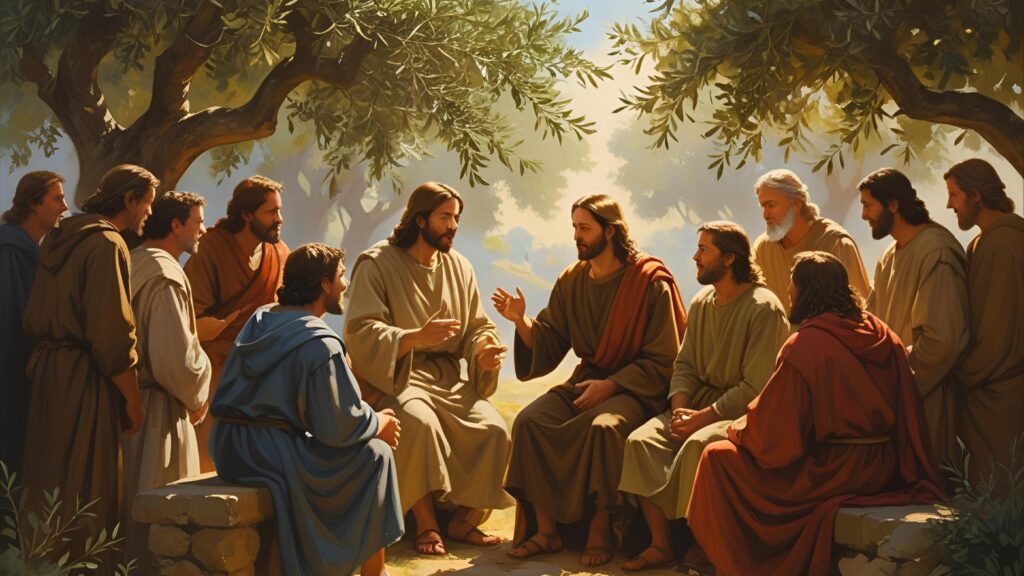
- Go through your scripture journal and revisit and read everything you have written about your person so far. You should have several entries about them and about striving to become like them. Do you see any patterns? Is there a certain lesson that jumps out at you?
2. Choose one verse about your person, from their story in the scriptures, and make it pretty and fill a page in your scripture journal.
So if I had Mary, mother of Jesus, I may choose Luke 1:37 “For behold with God nothing shall be impossible” because those were the words of the angel spoken to Mary and I think they are beautiful and reassuring words that also apply to me as a daughter of God.
3.After you have made your scripture page lovely I want you to write what this scripture means to you and how you can personalize it to yourself. Memorize your scripture and be prepared to recite it in class!
4. Do a reflection journal entry: How did you practice becoming like your disciple over Christmas break? Write all about your experience.
5. Finally, choose a new focus for your discipleship this month(or continue with a focus if you want to still work on one from the past). What trait are you going to practice and how are you inspired to put it into action in your life? Write that down in your scripture journal.
