

Study/Learn:
– Print the note cards and study month 3.
– Read Chapters: To learn about India read chapters 9, 30, 31 of Story of the World Volume 1, and then read chapters 5 and 30 in Volume 2.
To learn about China read chapters 10, 32 and 33 in Volume 1 of STOW and then read chapter 8 in Volume 2.
As always TAKE NOTES. Make them pretty or make them thorougough <— how do you spell that word??. Anyway, you’ll be showing me your notes in class 🙂
Watch THIS VIDEO about the four great inventions from China
Watch this TedEd about Yoga AND For everyday you do yoga for at least fifteen minutes this week you will get vanbucks (undetermined amount, I can be persuaded to make it a lot of $$ because I’m a big believer in exercise and deep breathing).
Know/Understand:
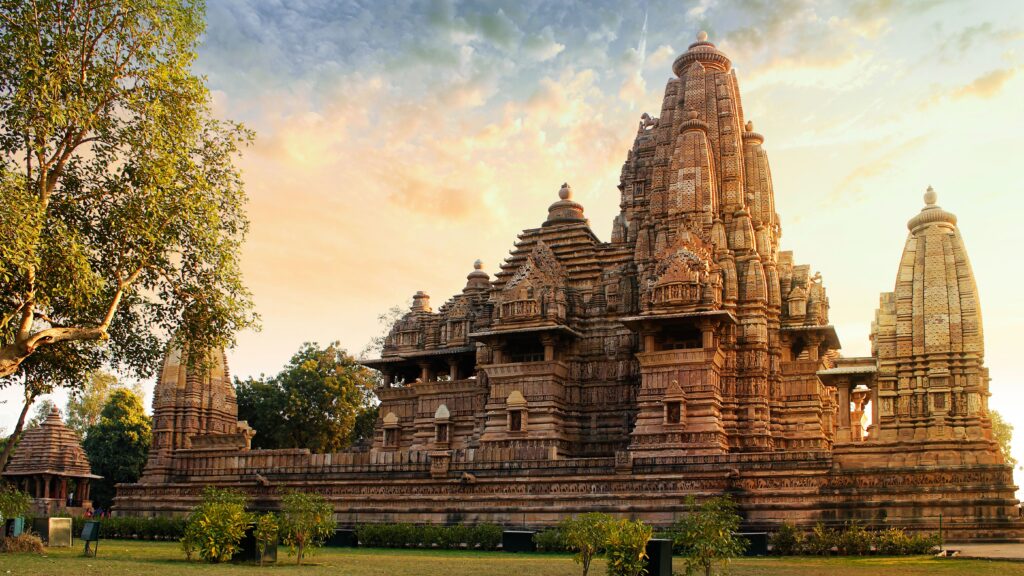
*TIMELINE DATES TO ADD:
RIGHT PAGE INFO:
1600–1046 BCE — Shang Dynasty, First historically confirmed dynasty. (interesting things you may want to add to your left page: Bronze working, oracle bones (earliest Chinese writing), and ancestor worship.)
1046–256 BCE — Zhou Dynasty Longest-lasting dynasty.
221-206 BCE — Qin Dynasty unifies China under Qin Shi Huan First emperor; China gets its name.
206 BCE – 220 CE — Han Dynasty Long stable rule; Golden Age of Chinese culture,
c. 320–550 CE — Gupta Empire.
LEFT PAGE INFO:
Great Wall– 7th -4th centuries
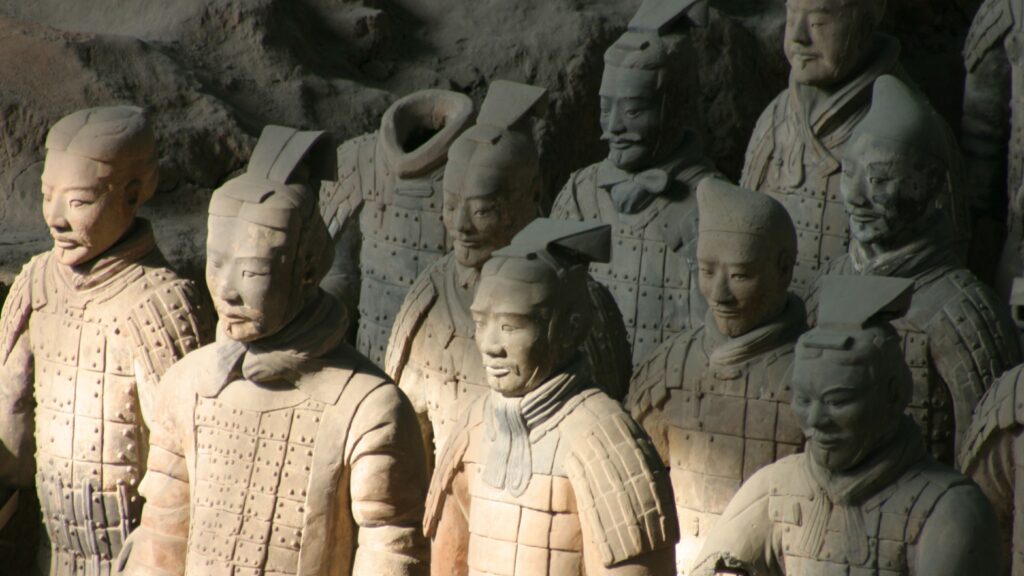
Terracotta Army– 246-208
Confucius (551–479 BCE) teaches moral order. (remember, people can go on your left-hand page! These don’t all have to go on the right side 🙂
silk road trade opens 130 BCE
Marco Polo visits China (1270 AD)
Forbidden City built (1406–1420 AD)
Gunpowder (9th century BC)
compass (2nd centuryBC )
printing developed (7th centuryBC )
c. 563–483 BCE — Life of Siddhartha Gautama (Buddha) Founds Buddhism; teaches the Middle Path and Four Noble Truths.
c. 599–527 BCE — Life of Mahavira, Founder of Jainism, emphasizing nonviolence and asceticism.
c. 500 BCE — Rise of Hinduism as a unified tradition
Asoka the Great (r. 268–232 BCE) spreads Buddhism across Asia and promotes moral governance.
Invention of zero– 3rd century BC
Famous person – Sushruta, wrote the worlds earliest and most detailed surgical texts 600 BCE
Choose ONE of the two following critical thinking topics and have a discussion with a parent about this. In other words, you may have to first teach your parents about the topic and then tell them what you think are the answers to the questions. Then they should have questions and ideas to share with you. This should take 15-20 minutes minimum. I anticipate that both of these topics will require a little extra googling and study from you beyond STOW readings. That’s the point, we’re going to dig a little deeper and think deeper 😀
Topic One, Religion and Philosophy:
- Confucianism, Daoism, and Legalism (China)
- Hinduism, Buddhism, and Jainism (India)
- The role of karma and dharma in moral decision-making
Answer the following critical thinking questions:
- Which philosophy or religion offered the most practical path for maintaining social order — and why?
- In what ways do these belief systems reflect the societies they arose from?
- Could Confucian values and Buddhist principles coexist in a single society?
Topic Two, Social hierarchies and justice:
- The caste system in India vs. Chinese class structures
- Gender roles and family expectations in both civilizations
- The concept of “filial piety” vs. “dharma” (duty)
Answer the following critical thinking questions:
- To what extent did these social systems promote stability vs. inequality?
- Were these hierarchies based on religion, economics, or politics?
- How might individuals resist or reform these systems?
Choose a PRESENTATION:
Choose ONE of the following and be prepared to present for 3-5 minutes about it:
Ancient Chinese Inventions – Create a model or demo of paper, the compass, or an early seismograph.
Chinese Calligraphy & Writing – Write a scroll in ancient Chinese characters and explain their meanings.
Silk Road Trade Simulation – Design a “merchant’s journal” describing goods traded and cultures encountered.
Ancient Chinese Clothing or Armor – Recreate an outfit or armor set and describe who would have worn it.
Traditional Chinese Music – Make a simple instrument (like a guqin or bamboo flute) and demonstrate its sound.
The Great Wall Engineering Project – Build a small-scale model showing materials and structure.
The Terracotta Army Diorama – Sculpt or draw your own warrior with symbolic details.
Qin Shi Huang: The First Emperor – Create a news-style report or mock documentary about his rule.
Confucian vs. Daoist Wisdom Posters – Illustrate quotes and compare their worldviews visually.
Ancient Chinese Architecture – Create a model of a pagoda or palace using household materials.
The Art of Tea – Research and teach us about a Chinese tea ceremony.
Ancient Inventions That Changed the World – Explain how paper, silk, or the compass still shape our lives.
Compare China and Rome – Create a chart or short video comparing technology and empire-building.
Daoism & Nature Today – Make an art piece showing harmony with nature in ancient and modern life.
Silk Road Storybook – Write and illustrate a story of a trader traveling from China to the Mediterranean.
Indus Valley City Design – Build or draw a model city showing the grid system and plumbing.
Indian Clothing Through the Ages – Display fashion or jewelry styles from the Indus to the Gupta period.
Ancient Indian or Chineese Food – Cook a dish inspired by early Indian or early Chineese ingredients and explain its history.
The Life of the Buddha – Create a comic, storyboard, or animation showing his path to enlightenment.
Hindu Gods and Goddesses – Make illustrated cards explaining the symbolism and roles of each deity.
Karma and Dharma Game – Design a simple board game teaching these Hindu concepts.
Ashoka’s Transformation – Write a dramatic monologue or diary entry about his conversion to Buddhism.
Compare Hinduism and Buddhism – Make a visual Venn diagram or presentation highlighting similarities and differences.
Inventing Zero– Present the story and impact of zero using creative visuals or math demonstrations.
Gupta Empire Achievements Museum– Build “museum exhibits” showing Indian advances in math, medicine and astronomy
Indian Architecture model– Recreate early temples, stupas or caves using clay or recylced materials
The Edicts of Ashoka– Carve or paint “stone inscriptions” showing peaceful messages.
Epic Tales of India – Retell a story from the Mahabharata or Ramayana in a short skit, illustrated book or with fantastic, incredible, storytelling skills.
OR something else! Dive deep on what interests you and be prepared to wow me with your creativity and knowledge 🙂
Become/Serve
This month I want you to find MORE sources about your person. Go to lds.org and search and read talks or articles or lessons that reference your person. Maybe a parent has listened to a cool podcast about your person. Maybe there is a fascinating youtube video. Ask family members or do a search! If you have a hard time finding information reach out to me and I would love to help with that.
– Write down your new insights and knowledge, you’ll be sharing this with a partner in class. What is the coolest thing you learned about your person this week? What insights did you gain that you did not have before (especially those of you with big scripture heroes who you thought you already knew a lot about!)
Finally, write up your experience living like your disciple this month in your commonplace book. What trait did you choose? How did it change you? If you did NOT follow-through then know that I will ask you to keep your trait for another month AND create a plan for following through 🙂
In class we’ll break into groups to share the new trait we will be practicing this month OR you will share that you are still working on one of the two previous traits (because maybe you want to dig deeper or you forgot about the assignment and didn’t do it justice and you want to try again).
