

Alex Hormozi qoute of the week. ^
Your Homework this week.
- Write your personal mission statement.
- Make it pretty/manly, and print it out.
- Send me the a picture of your printout, this is your ticket to class.
The rest of the blog is optional.*
*I still recommend you go through the whole thing, as it will greatly help with this week’s homework.
Steven Covey says to “begin with the end in mind.” Writing your personal mission statement will help with this.
Here are some popular mission statements so you can get an idea of what goes into one.
Some of them are short, some of them are long.
I would also recommend reading these for more guidance on what to put into your mission statement.
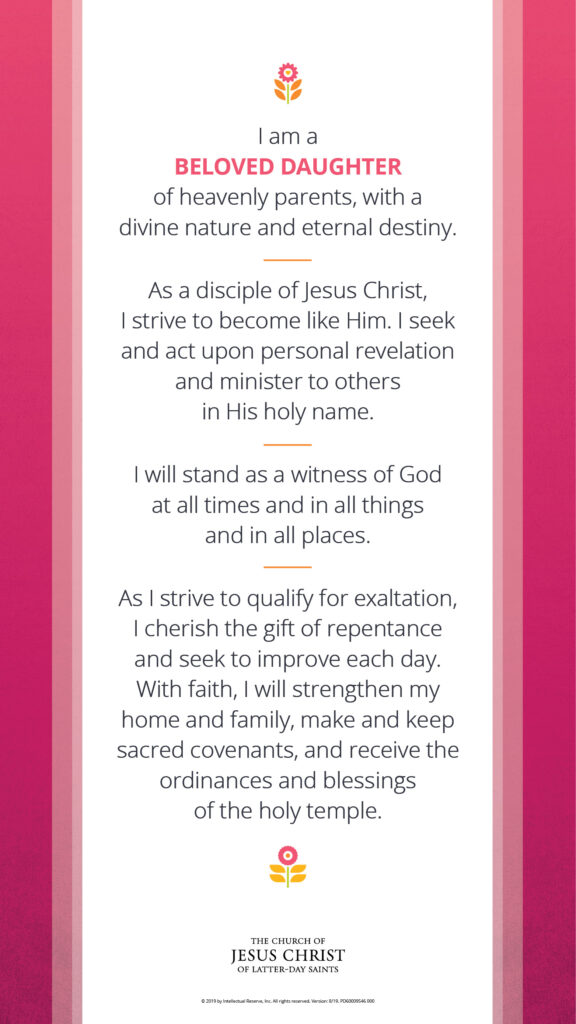
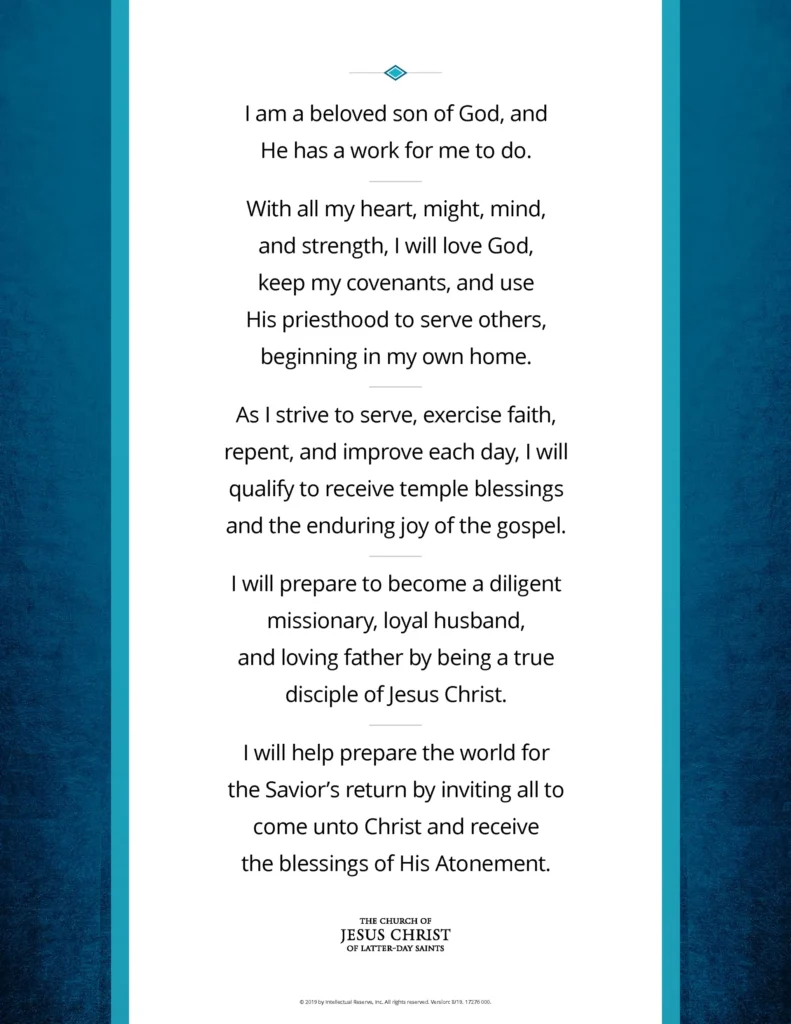
Watch the following short videos.
The Six Steps to Writing a Personal Mission Statement*
*For those who really want to get something out of this, I highly advise you go for a LONG WALK with no phone and ponder this.
- “At the end of my life, what will I regret not having done—or not having become—if I keep living the way I am right now?”
1. Self-Exploration (Before You Write)
You don’t start by writing—you start by thinking.
Answer prompts like:
- I’m at my best when…
- I’m at my worst when…
- If I had unlimited time and couldn’t fail, I would…
- What frustrates me about how most people live?
- What do I feel responsible to contribute?
Write everything in bullet points. No editing yet.
2. Clarify Your Life Roles
Your life is more than your job. Skip this and your mission will be unbalanced.
List 4–6 key roles (current or future):
- Personal health
- Family (son, daughter, spouse, parent)
- Work or calling
- Community or service
- Faith or beliefs (if applicable)
This keeps your mission from becoming career-only.
3. Write Your Eulogy
This is uncomfortable—and that’s why it works.
Imagine the end of your life:
- Who’s speaking?
- What do you want them to say about your character?
- How did you treat people?
- What did you stand for?
- What did you refuse to compromise on?
Actually write it. Don’t just think about it.
4. Draft the Mission Statement
Now pull everything together.
Guidelines:
- 1–2 paragraphs
- First person (“I am” or “I will”)
- Focus on who you’re becoming, not tactics
- Think compass, not map
You’re setting direction, not instructions.
5. Review and Stress-Test It
A strong mission statement passes four tests:
- Personal – Sounds like you, not a poster quote.
- Principled – Built on values people would respect.
- Holistic – Covers your whole life, not just work.
- Inspiring – When you read it, you feel something.
If it fails here, rewrite it.
6. Live It and Revisit It
If you don’t use it, it’s pointless.
- Print it or keep it where you’ll see it.
- Review it weekly or monthly.
- Use it as a filter: Does this align or not?
It can evolve—but only after real reflection, not casually.
