
Study
Read Chapters 2, 4, 12 and 13 of Story of the World. As you finish each chapter make a blurb, doodle some notes or write up some bullet points — any creative way you want to keep the highlights from the chapter in your commonplace book.
Put the following dates/people and events on your timeline:
Start of Egyptian Civilization: c. 3100 BCE
(Development of farming communities and writing along the Nile.)
King Narmer (Menes) unites Upper and Lower Egypt: c. 3100 BCE
(Often considered the first pharaoh; marks the beginning of Dynastic Egypt.)
First Pharaoh of Egypt: c. 3100 BCE
(Traditionally Narmer — sometimes called Menes.)
Old Kingdom of Egypt: c. 2686–2181 BCE
(3rd–6th Dynasties; capital at Memphis.)
Building of the Great Pyramid of Giza (for Pharaoh Khufu): c. 2560 BCE
Reign of Amenemhat I: c. 1991–1962 BCE
(Founder of the 12th Dynasty.)
Middle Kingdom of Egypt: c. 2055–1650 BCE
(Period of stability and strong central government.)
Rule of the Hyksos in Egypt: c. 1650–1550 BCE
New Kingdom of Egypt / Golden Age: c. 1550–1070 BCE
(Famous pharaohs: Hatshepsut, Akhenaten, Tutankhamun, Ramses II.)
Discovery of King Tut’s Tomb (by Howard Carter): 1922 CE
Know/Understand
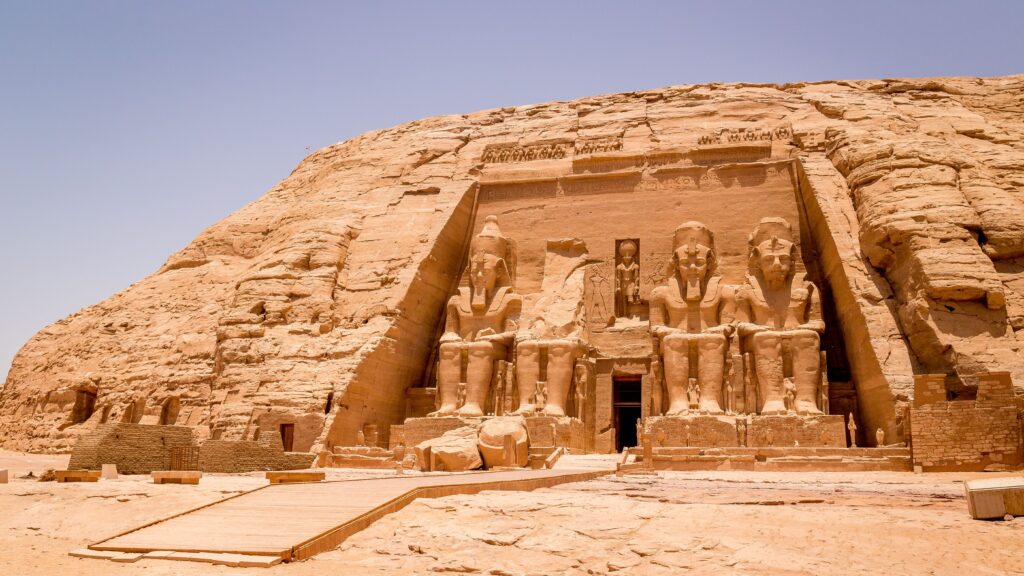
Choose ONE of the following and be prepared to present for 3-5 minutes about it. I want to say, you guys WOWED me with your presentions last month. We had diorammas, fantastic art, performed songs and more. This is the level of excellence I want you to bring each month! Thank you for giving these presentations a scholarly level of time and attention and creativity!
Create a Canopic Jar — be able to tell us what god is on the jar, add some writing and tell us about what is stored in that jar and why that jar would have held those organs.
Create a piece of art that sums up something you learned about Egypt. Be prepared to share the art and an explanation of why your art is significant/how it represents what you learned.
Design (draw or 3D build with a box or diorama) their own tomb complete with hieroglyphic inscriptions, symbolic artifacts, wall paintings, and a sarcophagus be able to explain why each item or symbol would be buried with them based on Egyptian beliefs about the afterlife.
Research ancient Egyptian instruments (like the sistrum, harp, or drum) and either create a simple version or compose a short piece inspired by ancient Egyptian rhythms.
Sculpt or 3D print an object like an amulet, a canopic jar, or a piece of jewelry. Teach us its symbolism and purpose
Design an Egyptian-inspired outfit and explain how clothing communicated social status, gender, and religion. (Could be a digital collage, sketch, or costume project.)
Do a creative report on one of the pharoahs NOT talked about in our reading.
Do a creative report on one of the pyramids not listed in the book (do not choose the Great Pyramid).
Make a shaduf that works and teach us about it.
Give a creative report on Nubia/Kush. Their culture became a part of Egyptian culture, what came from Nubia?
Give a creative report on the Hyksos. Learn more about their culture and share it with the class.
Pick one myth from Egypt! (like Osiris and Isis, or the Journey of Ra) and rewrite it as a modern short story, comic, or screenplay while stying true to the original story.
If you love movies this one will be fun for you: analyze how Ancient Egypt is portrayed in films, games, or pop culture (I’m not a huge movie watcher but I can think of “The Mummy” and “Prince of Egypt” :D) and compare it with historical accuracy. You’ll need at least 3 movie examples, please share clips with the class!
OR choose something different! The idea is to dig in deep with what you find fascinating about ancient Egypt and to share what you learned with the class in an interesting way!
Become and Serve
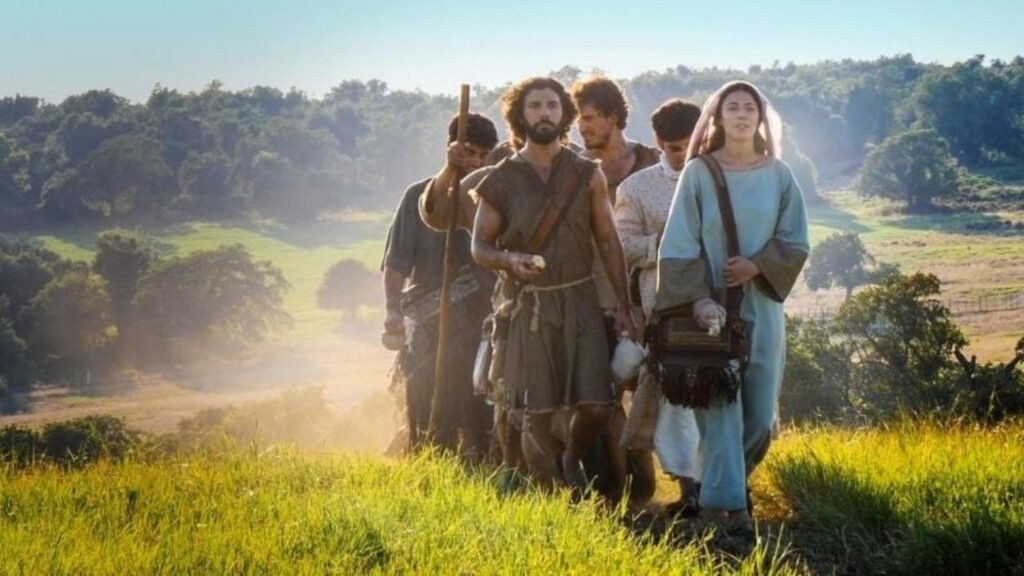
We are continuing to work on our person in the ancient scriptures project. This month you should have taken an opportunity to LIVE like the disciple of Christ you are studying. If you forgot, that’s ok, in the future I’m going to have a little reminder at the top of all the blogs because this is an ongoing project and it could be easy to forget about!
FIRST This is your week to really apply that character trait you chose last month if you haven’t done so yet.
SECOND Journal in your scripture journal: How is my disciple an example of the believers in conversation? (remember, this word has to do with their conduct, not their words. Sub the word “conduct” for “conversation” if that helps you)
THIRD Journal about General Conference — was the character trait you’ve been focusing on this month mentioned in conference? Write about that and what you learned. If you can’t recall then do a search in the gospel library app and find a quote from conference that has to do with the trait you are working on and make it pretty and add it to your scripture journal.
FOURTH Write up your experience living like your disciple in your scripture journal– what did you learn? What did you try to do differently? Did you see God helping you? Did you see any growth/change? Please be prepared to share this experience in a small group (not in front of the class). I think we will all be encouraged and strengthened when we hear each others experiences!
These write-ups are very important! These are the words you will be drawing on when we present our Disciples in Christ fireside next year 🙂
FINALLY, choose a second character trait that your person exemplifies. Brainstorm how you will be applying that trait — for example if we choose “courageous” then we need to have a specific plan on how we will be more courageous so it would become something like “I will raise my hand in seminary and in classes at church and share my thoughts when I have them. I will throw my hand up so I don’t overthink and get nervous about sharing. I will trust that God will help me to be more courageous in my testimony” That’s the level of plan I’m looking for. You will be sharing your new word and plan in your small groups and with me so I can specifically pray over your progress!
