
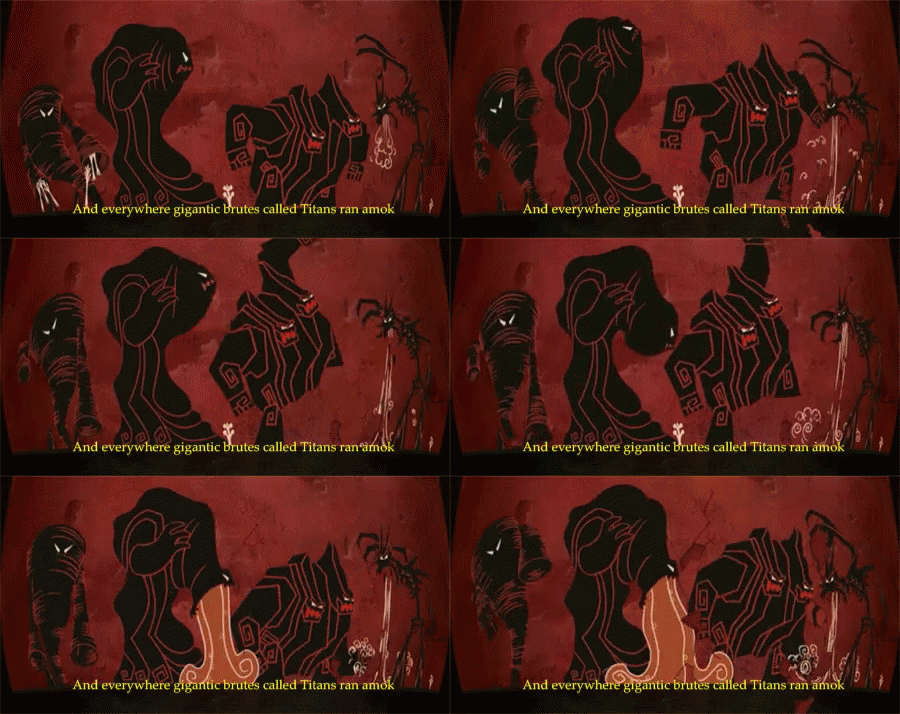
Yes, those Titans. Sort of.
Welcome! In this class, we will dive into one of the earliest building blocks of the stories that are the foundation of western culture–Greek Mythology.
This quote explains the heart of why I want to share this class with you:
“Perhaps no other stories have ever been told so often or listened to with so much pleasure as the classic tales of ancient Greece. For many ages they have been a source of delight to young people and old, to the ignorant and the learned, to all who love to hear about and contemplate things mysterious, beautiful, and grand. They have become so incorporated into our language and thought, and so interwoven with our literature, that we could not do away with them now if we would. They are a portion of our heritage from the distant past, and they form perhaps as important a part of our intellectual life as they did of that of the people among whom they originated.”
-James Baldwin, “Selections from Old Greek Stories”, Stories from Greek Mythology, p. 7
This week, we will begin at the beginning. Keep in mind that there are multiple versions that have come down to us of some of the stories. One of our books, MYTHOLOGY, attempts to capture multiple versions of the myths and tells us which writers they come from, and has more background information and some quotes from the original sources, and Stories from Greek Mythology just collects together some of the greatest hits.
Homework
- Read and copy down the above quote in your commonplace book in your best handwriting.
- As you are doing your reading, write down a few notes in your commonplace book: something you notice in one of the stories, something that reminds you of something else, and something you wonder about. We will use these ideas to guide part of our discussion.
- Print THIS PAGE, two copies, fold each in half, and use them as bookmarks in your two mythology books. Many of the characters in these stories have a Greek name and a Roman name, and this will help you keep straight who is who (Jupiter is Zeus, etc.). There’s also a simpler version of this chart in the front few pages of your Stories From Greek Mythology book you can refer to.
- Read pages 9-26 in Stories From Greek Mythology. The stories you are reading are “Jupiter and His Mighty Company”, “The Golden Age”, and “The Story of Prometheus parts I,II, and III”. (You either have a physical copy of this book OR it’s available to read HERE free online. Page numbers are the pages on the book pages, not the pages of the online document. There is also an audio version of many of the stories in this book HERE, which you are welcome to use, but you are required to read along in a physical or digital copy if you go that route.)
- In MYTHOLOGY: Timeless Tales of Gods and Heroes, read pages 17-18 and pages 73-75 (stopping on 75 at the little Greek design symbol in the middle of the page). Make sure not to skip the little bits of poetry at the beginning of chapters and scattered throughout! That’s good stuff. It’s okay if you don’t understand every bit; I don’t yet either. Just enjoy the beauty of the language and gather what you can.
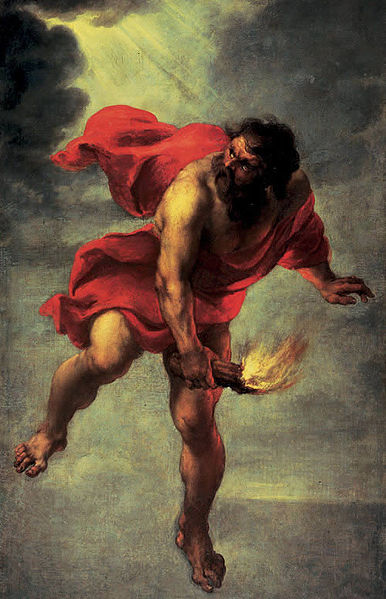
- Watch and listen to the overture of Beethoven’s Creatures of Prometheus Ballet HERE, inspired by the Prometheus story and his aid to mankind. Do not miss the amazing flautist (flute player) at 2:58. 😉
- To class, bring your two mythology books, your commonplace book, and your book of centuries.
See you there!
